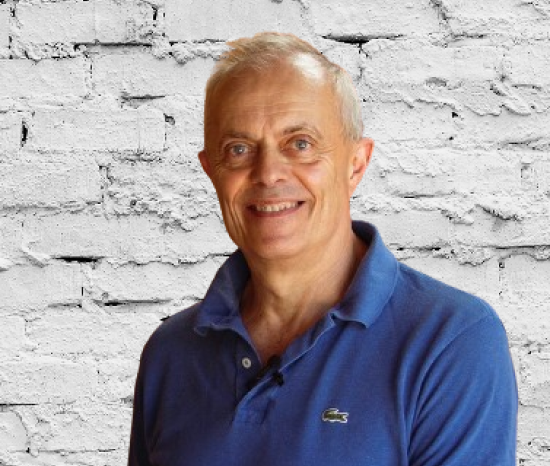
Anne-Claude Leflaive-Jacques is pushing Burgundian viticulture a step further, possibly into the unknown. A tireless, restless but fortunately energetic individual, Anne-Claude Leflaive oversees the management of perhaps Burgundy’s greatest white domaine. Armed to the hilt with facts and figures from L’Agriculture Bio-Dynamique en France, she has this year converted Domaine Leflaive from organic to 100% biodynamic viticulture. While the principal visible manifestation of this decision is the rather amusing relocation of small nettle plants from her backyard to between the vines of some of the world’s most expensive vineyards, Anne-Claude is utterly convinced in the merits and purpose behind her decision. Leflaive is headquartered at the picturesque square in the sleepy village of Puligny-Montrachet. Puligny’s water table is as high as 50 cm below the surface, so rot has always been a problem. After a biodynamic prescription of precisely applied and timed doses of quartz powder, it’s no longer an issue in Leflaive’s vineyards, since the silesium in the quartz effectively absorbs humidity and promotes dryness. When sprayed in the vineyard it increases internode length and thereby encourages a more open canopy with less humidity and better aeration. After seven years of biodynamic trials and dramatic results like this on an ever-increasing scale, it was easy for Leflaive to take the total plunge. ‘Biodynamics have had an incredible effect on the resistance of our vines’, says Anne-Claude Leflaive. ‘We plough to cut vine roots to encourage them to grow as deep as possible, but we’re the only winemaker in Puligny to plough. Heavy rainfalls can dilute wine, since water quickly moves through shallow roots and into the grapes. Fertilizers also encourage shallow roots, so we don’t use them, either.’ ‘Our soils have a different texture. Micro-organisms are more important in biodynamic vineyards than in organic systems. We need a living population to change the clay and humus into a complex which renews the soil. ‘If we kill the soil, we get erosion. Biodynamics provides a better harmony, balance and complexity in our wines. It enhances the expression of our terroir and the typicity of our vineyards and their wines. Since we stopped using weed killers we’ve found that we keep more yeast on our grapes, which then contribute to greater differences between the wines of Puligny and Meursault. In each case we start the alcoholic fermentation and malo-lactic fermentation with a unique type of organism. While cultured yeasts give homogeneity to wine, yeasts taken straight from the environment keep wine more natural and distinctive without intervention’, she says. According to Anne-Claude Leflaive, it’s because they don’t have any trouble selling their wine that many Burgundian winemakers are still unconcerned about improving them. ‘They don’t reflect on their surroundings of water, air and soil’, she says. ‘We must improve every day; there is always something more to do. The most difficult thing is to do nothing!’