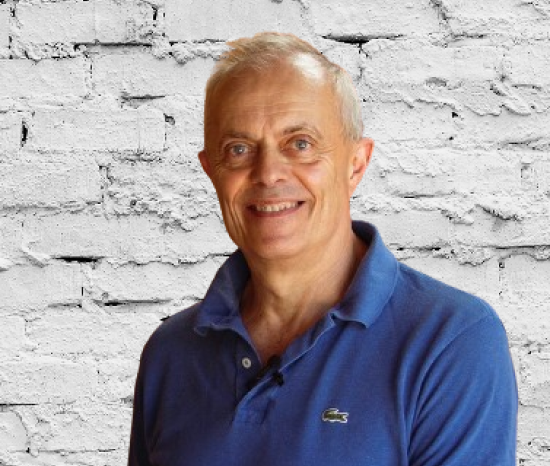
Len Evans, OBE, and Decanter Magazine’s Man of the Year for 1997 is fittingly acknowledged as Australia’s greatest wine ambassador. Len has been intimately involved in Australia’s modern love affair from its earliest days when, as director of the Australian Wine Bureau from 1965 to 1967, he sparked the fuse of wine appreciation that has since become a bushfire of national proportions. Len Evans talks to OnWine about awards, new directions for Australian wine and his role in it. You must have been delighted to be named Decanter’s Man of the Year. Yet what does it really mean to you? It’s one of the greatest accolades in the world of wine. After all you’ll never get a VC or Congressional Medal of Honour for wine. It’s an international honour and I’ve always considered myself an international wine man. I was the biggest importer of wines into Australia. I’ve always been an advocate for quality wine and never just an Australian wine man, but that’s the way the world regards me. There are people who know far less than I do about Bordeaux who are regarded as specialists. But it’s a nice soubriquet to be regarded as Mr Australian Wine. But the award is also recognition of Australia and the emergent role it is playing. I also think that other Australians will win it in future, for we are world shakers and world movers. It will increase the opportunity for Australia to be more highly regarded in the world of wine. I see Halliday, who is playing increasingly an important part in world terms as a contender and I see Croser as a contender. It will also give me greater clout to do things on behalf of Australian wine. Although I get a good hearing now, I’ll get a better hearing next time. You’ve always been a builder. Which pet brand of wine are you focusing on at present? I am concentrating on Evans Family Wines, which will increase from 2,000 to 5,000 cases this year. Each of my wines is now being called after their vineyard name, so I will be releasing a Howard Chardonnay, a Pinchem Chardonnay, a Chapel Gamay, a Statue Pinot Noir, a Hillside Pinot Noir and a Howard Shiraz. You have also re-formalised your relationship with Petaluma, where Brian Croser has been making noises about releasing individual vineyard chardonnays. Petaluma may be releasing an individual vineyard wine and I hope he’ll do it. The House Block is such an exceptional component of the Petaluma that it’s madness for the world not to see it. We have to start talking about the vineyard wines of Australia. It’s a ten-year process. Overseas they’ve only just started to recognise that the Yarra is different to the Margaret River is different to Coonawarra is different to the Hunter. In another ten years they’ll start to ask: “Have you tasted that great Tiers vineyard chardonnay of Brian Croser’s, that great Lovedale block of McWilliams and that great Pinchem block of Len Evans?” You should never follow the world; you should lead it. If you found one exquisite parcel of wine in Chateau Lafite, what would you do? DRC have done it. They have separately labelled the vineyards which are virtually entirely joined. But it’s quite clear it is all demarcated and that the vineyards are quite different. I believe Australia has to get more into those differences. We can’t just be brand people, however lofty our brands might be.’ How do you define your new role at Petaluma? I never stopped working as a consultant with Croser. Nothing has changed; now I have a bigger role. The job is now to advise him on matters like strategy, position, structure, marketing, promotion, the international scene and to establish Petaluma quite firmly as the pre-eminent Australian wine company in quality terms. I’m not just the ambassador, I’m also the eminence grise, which is slightly a different thing. My job is to be the stimulant to him. You have been actively involved in wine since 1960. What do you think you do best today? I think my great assets for the industry have been in communication and publicising, verbal and written, making people feel they should be part of the joy of wine, locally and internationally and especially for Australian wine. I think I have a good palate, an understanding of quality wine and an ability to identify great wine when it is young. I have a great skill in putting wine together. I think it’ s a great art, the winemaker’s art, yet I am not a winemaker. It is extremely complex and believe that it can be nothing more than intuition. I think one of my strengths is my drive: I demand this and I demand that. My strength in the show system has been as an educator of judges and to make the system better. I think I have been a great representative for Australian wine overseas. I’m not the bronzed tall Aussie, but I’m a fairly sort of cheerful and gregarious type of fellow who is always prepared to tell the English and the Americans to get off the bike and start enjoying wine.